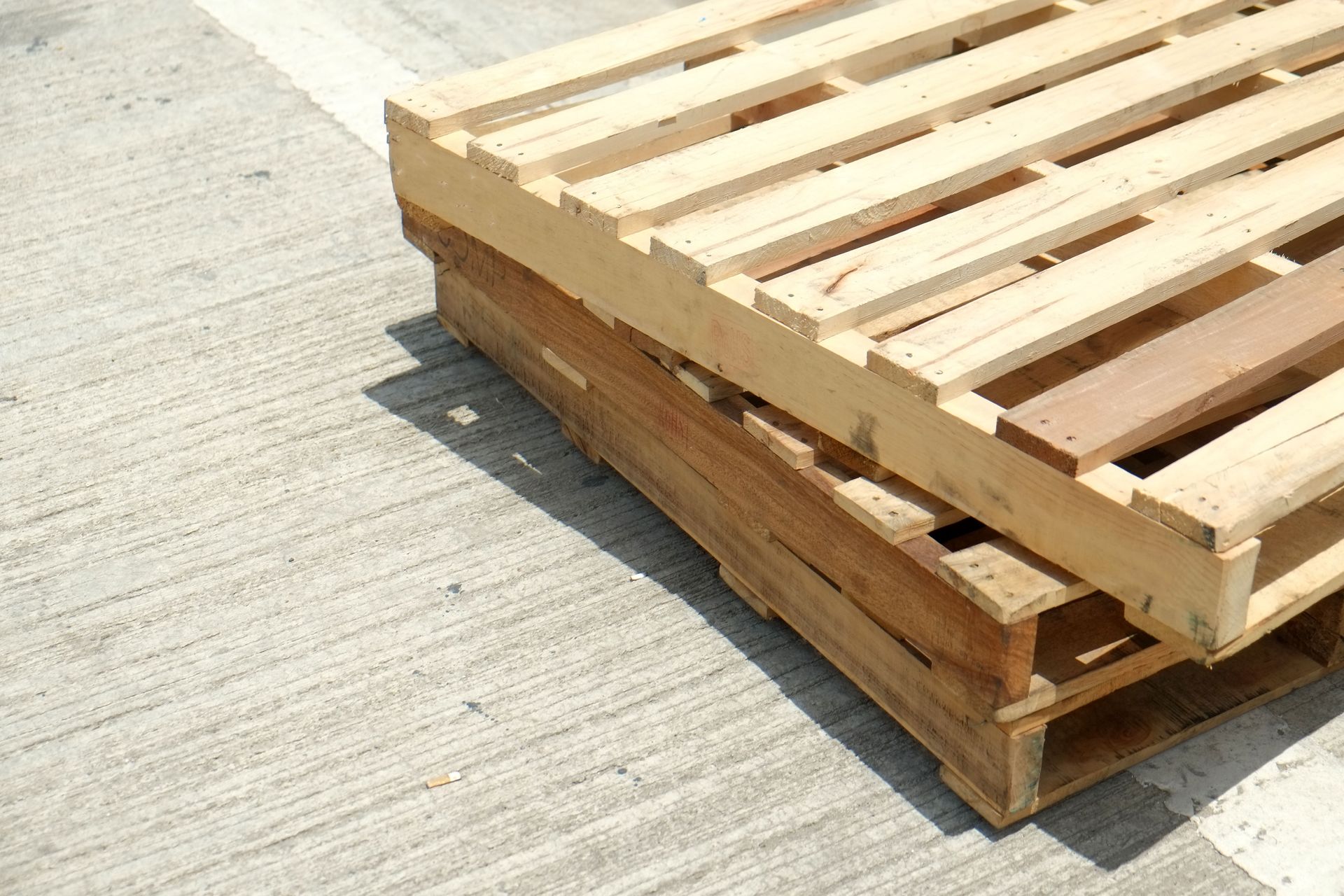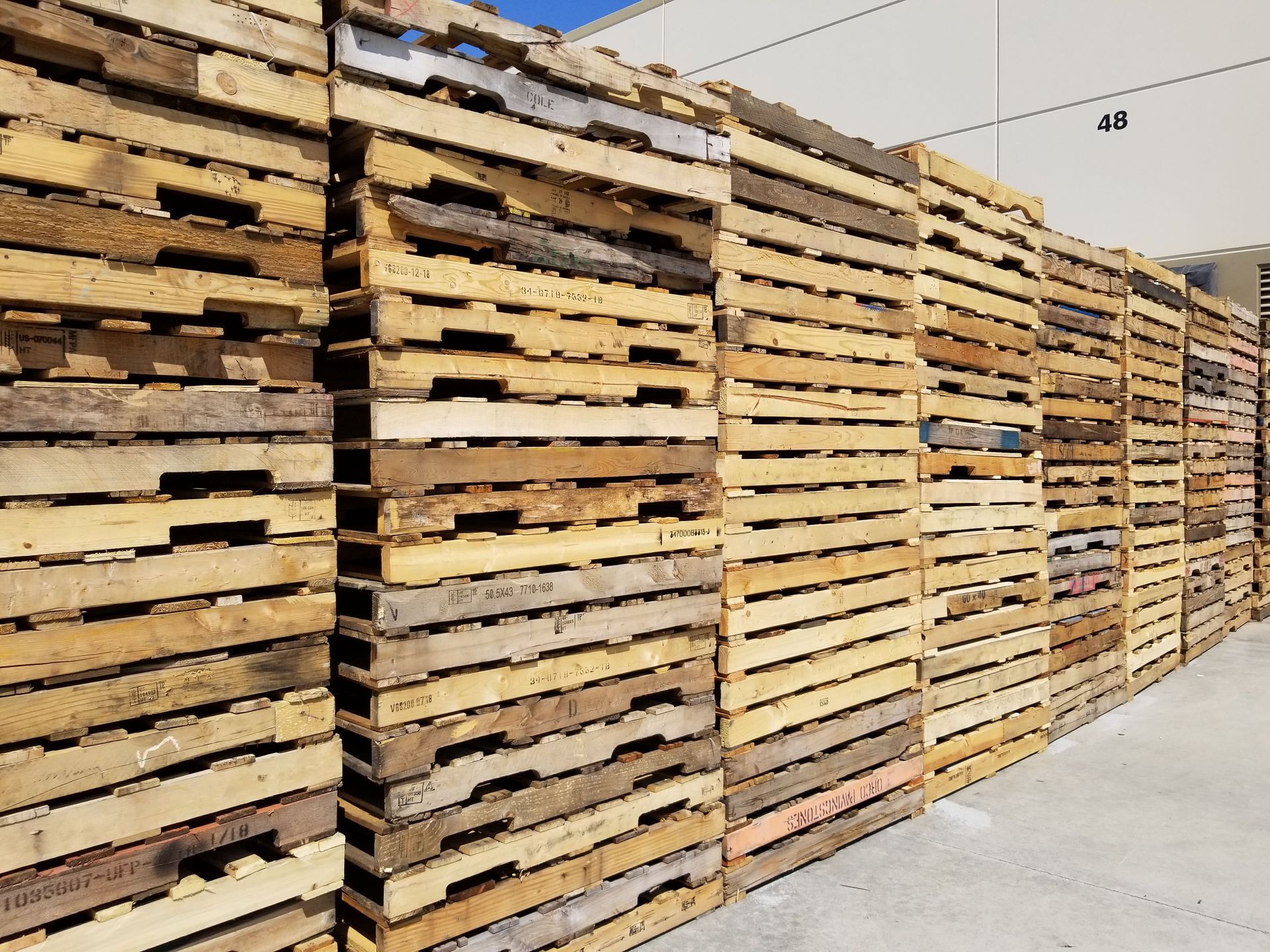
Pallets are essential to modern supply chains, providing a dependable way to store, organize, and transport products across numerous industries. Their standardized designs make it easier for businesses to handle large shipments, maximize warehouse space, and protect merchandise during transit. From manufacturing and agriculture to retail and pharmaceuticals, pallets support the movement of goods that keeps businesses operating efficiently.
Logistics and Warehousing
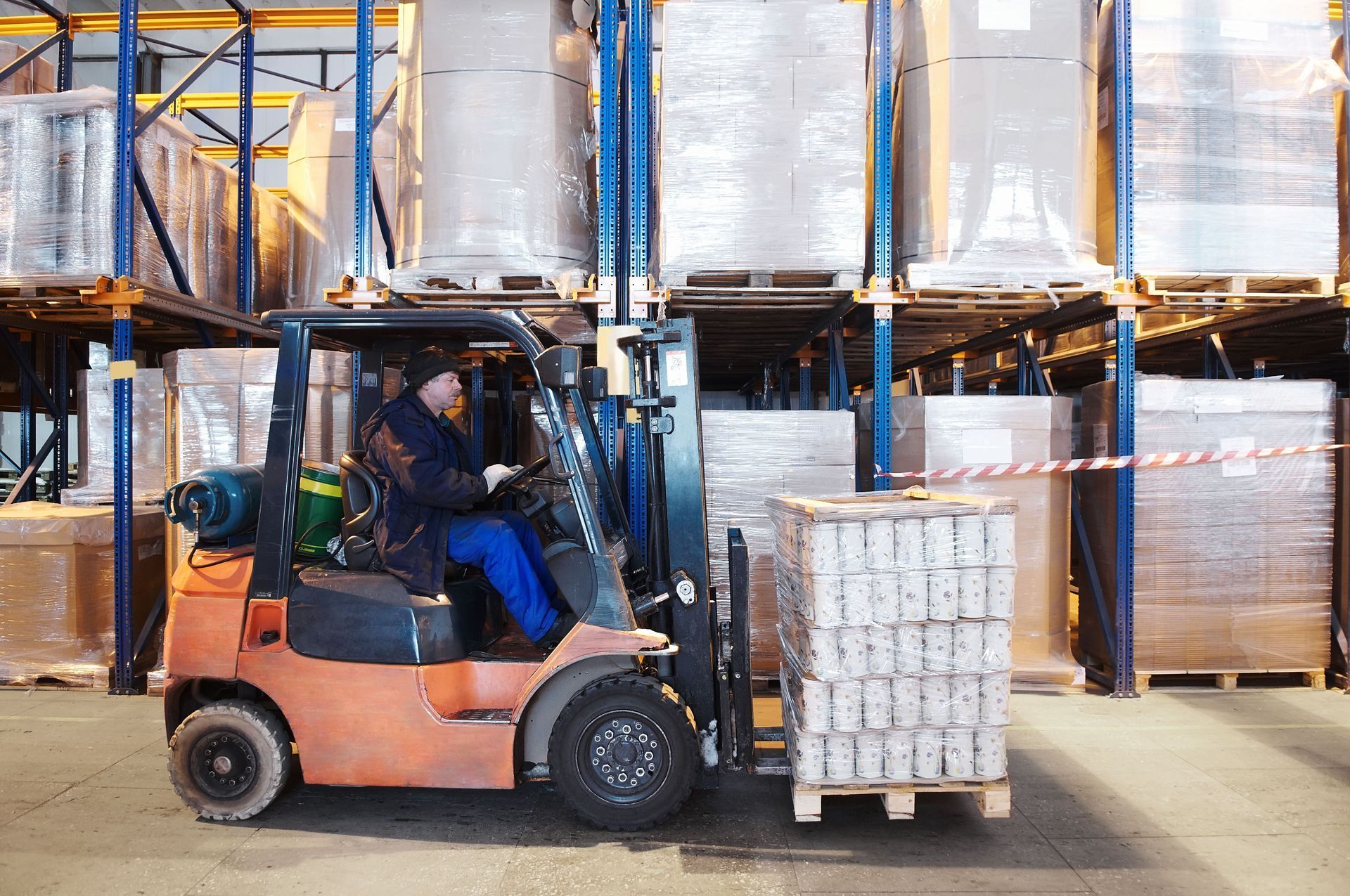
Logistics and warehousing operations depend on pallets to maintain organized storage systems and move products efficiently. Their uniform dimensions allow businesses to stack inventory vertically, maximize available warehouse space, and simplify product retrieval. According to the EPA, pallets account for over 90% of total wood packaging, demonstrating their importance throughout the shipping and storage industries.
Pallets also improve inventory management by creating organized units that employees can track and move throughout a facility. Businesses can incorporate barcodes and RFID technology to monitor shipments, identify inventory locations, and reduce tracking errors. These systems help warehouses maintain accurate records while supporting faster order fulfillment.
Loading and unloading are also more efficient when products are secured on pallets. Forklifts and other material-handling equipment can move entire loads rather than requiring individual products to be handled separately. This reduces labor demands, minimizes unnecessary handling, and helps protect merchandise from damage.
Retail Industry
Retail businesses use pallets to manage inventory between distribution centers, storage areas, and store floors. Products can arrive in organized shipments, making it easier for employees to restock shelves and maintain consistent inventory levels. Pallets also help retailers accommodate seasonal merchandise and promotional products that require additional storage and handling.
In larger retail facilities, pallets support organized backroom storage by allowing inventory to be stacked and arranged systematically. Their standardized dimensions make them compatible with warehouse racking systems and material-handling equipment. This organization helps employees locate merchandise quickly without disrupting daily store operations.
Pallets are also useful for transporting goods between manufacturers, distribution centers, and retail locations. Their stable platforms help protect products during transit while making it easier to maximize available space in delivery vehicles. Reusable pallet systems can further support sustainability goals by reducing the need for disposable shipping materials.
Food and Beverage Industry
The food and beverage industry relies on pallets to transport large quantities of products while maintaining cleanliness and product quality. Businesses must follow strict sanitation requirements, making pallet material and condition important considerations. Plastic pallets are often selected for applications requiring frequent cleaning, while properly maintained wooden pallets remain common in food distribution operations.
Pallets are particularly important for transporting refrigerated and frozen products. Their design supports organized loading and unloading, allowing shipments to move efficiently through temperature-controlled facilities. Reliable pallet systems help businesses maintain consistent handling procedures throughout the cold chain.
Bulk shipments of beverages, packaged foods, and agricultural ingredients also depend on sturdy pallets. These platforms support heavy loads and make it easier to move products through manufacturing facilities and distribution centers. Proper pallet selection helps reduce product damage, improve storage organization, and maintain efficient delivery schedules.
Pharmaceutical Industry
Pharmaceutical companies require dependable storage and transportation systems to protect medications, medical supplies, and sensitive materials. Pallets provide a standardized platform that helps businesses organize shipments and maintain consistent handling procedures. Specialized plastic pallets may be preferred in environments where sanitation and contamination control are especially important.
Temperature-sensitive medications also require carefully managed transportation. Pallets help organize shipments within refrigerated storage facilities and support efficient movement between manufacturing locations, distribution centers, and healthcare providers. When combined with temperature-monitoring technology, pallet systems can contribute to better shipment visibility and product protection.
Traceability is another important consideration in pharmaceutical distribution. Barcodes, RFID tags, and other tracking technologies allow companies to monitor shipments throughout the supply chain. These systems help improve inventory accuracy, support regulatory documentation, and reduce the risk of misplaced products.
Automotive Industry
Automotive manufacturers depend on pallets to transport heavy components and maintain organized production facilities. Engines, transmissions, vehicle parts, and other materials require stable platforms that can support substantial weight. Specialized pallets help protect valuable components while making transportation between suppliers and assembly facilities more efficient.
Pallets also support just-in-time manufacturing systems, which require parts to arrive according to carefully coordinated production schedules. Organized pallet shipments help manufacturers maintain consistent inventory levels and reduce unnecessary storage requirements. This approach can minimize production delays and improve overall operational efficiency.
Because automotive supply chains frequently cross international borders, standardized pallets are valuable for coordinating shipments between different transportation providers. Reusable pallet systems can also reduce packaging waste and support long-term cost management. Their durability makes them an important part of automotive manufacturing and distribution.
Agriculture and Farming
Agricultural businesses use pallets to transport and store fresh produce, packaged food, animal feed, and farming supplies. Stable pallet platforms help organize shipments and reduce excessive handling during transportation. This is particularly important for delicate produce that can become bruised or damaged when handled improperly.
Pallets also support agricultural storage in warehouses, packing facilities, and refrigerated environments. Organized stacking helps businesses make better use of available space while keeping products accessible. Proper airflow around stored goods can also be important when maintaining suitable conditions for certain agricultural products.
Beyond produce distribution, farms and agricultural suppliers rely on pallets to move fertilizer, feed, equipment components, and other materials. Their ability to accommodate different load sizes makes them useful throughout agricultural supply chains. Businesses benefit from having dependable pallets available to support changing seasonal demands and shipment volumes.
Manufacturing and Industrial Operations
Manufacturing facilities use pallets to move raw materials, components, and finished products between production areas. Their standardized construction makes them compatible with forklifts, pallet jacks, conveyors, and automated handling equipment. This compatibility helps businesses maintain organized workflows while reducing the amount of manual product handling required.
Pallets also help manufacturers separate inventory by product type, production stage, or destination. Organized loads make it easier to track materials and coordinate shipments with suppliers and distributors. Durable pallets can be reused across multiple shipments, providing long-term value for businesses with consistent transportation needs.
Industrial operations may require specialized pallets capable of supporting unusually heavy, oversized, or irregularly shaped products. Selecting the appropriate pallet helps protect materials and maintain safe handling procedures. Reliable pallet supplies are therefore important for manufacturers seeking consistent production and distribution operations.
Construction and Building Materials
The construction industry depends on pallets to transport heavy building materials between manufacturers, suppliers, warehouses, and job sites. Bricks, concrete products, roofing materials, flooring, and packaged lumber can all be shipped on pallets. Their sturdy platforms help keep materials organized and make deliveries easier to coordinate.
Pallets are especially valuable when handling materials that are difficult to move individually. Forklifts and other equipment can transport large quantities at once, reducing loading times and improving material availability. Organized pallet shipments also help suppliers manage inventory across multiple customer orders.
Construction suppliers benefit from having access to pallets that can accommodate different material weights and dimensions. Consistent pallet availability supports reliable deliveries and helps reduce disruptions caused by damaged or unsuitable packaging. For businesses handling substantial shipment volumes, dependable pallet suppliers are an important part of daily operations.
Across these industries, pallets provide essential support for storage, shipping, inventory management, and material handling. Businesses must consider factors such as load capacity, dimensions, durability, material type, and intended application when selecting pallet products. Having access to dependable supplies helps maintain consistent operations and reduces the complications associated with damaged or inadequate shipping platforms.
Spartan Supply Pallet Company can help businesses find pallet solutions that support their transportation, storage, and distribution requirements. Whether your operation needs pallets for warehouse inventory, manufacturing materials, retail shipments, or agricultural products, having a reliable supplier makes a difference. Contact Spartan Supply Pallet Company to discuss your pallet needs and find dependable products for your business.