By Kelly Oney
September 28, 2026
Standardized shipping platforms provide essential structure for storage and cross-country transportation, serving as the physical bedrock for moving inventory safely across international borders. Their overall versatility and structural durability make them completely indispensable across diverse industrial sectors including large-scale retail, automotive manufacturing, chemical processing, and commercial agriculture.
Understanding how these platforms function requires a thorough, detailed examination of their raw material properties, structural integrity, custom configurations, and daily operational versatility. By evaluating strategic roles, innovative engineering practices, environmental benefits, and clear economic advantages, commercial leaders gain a deeper appreciation for these indispensable logistics tools. Modern logistics demands extreme precision, constant adaptability, strict safety compliance, and minimal downtime at every stage of movement. Every step of the transit journey relies heavily on uniform handling platforms that easily withstand heavy loads, prevent cargo shifting, and minimize costly transit delays.
Optimizing Transportation Efficiency
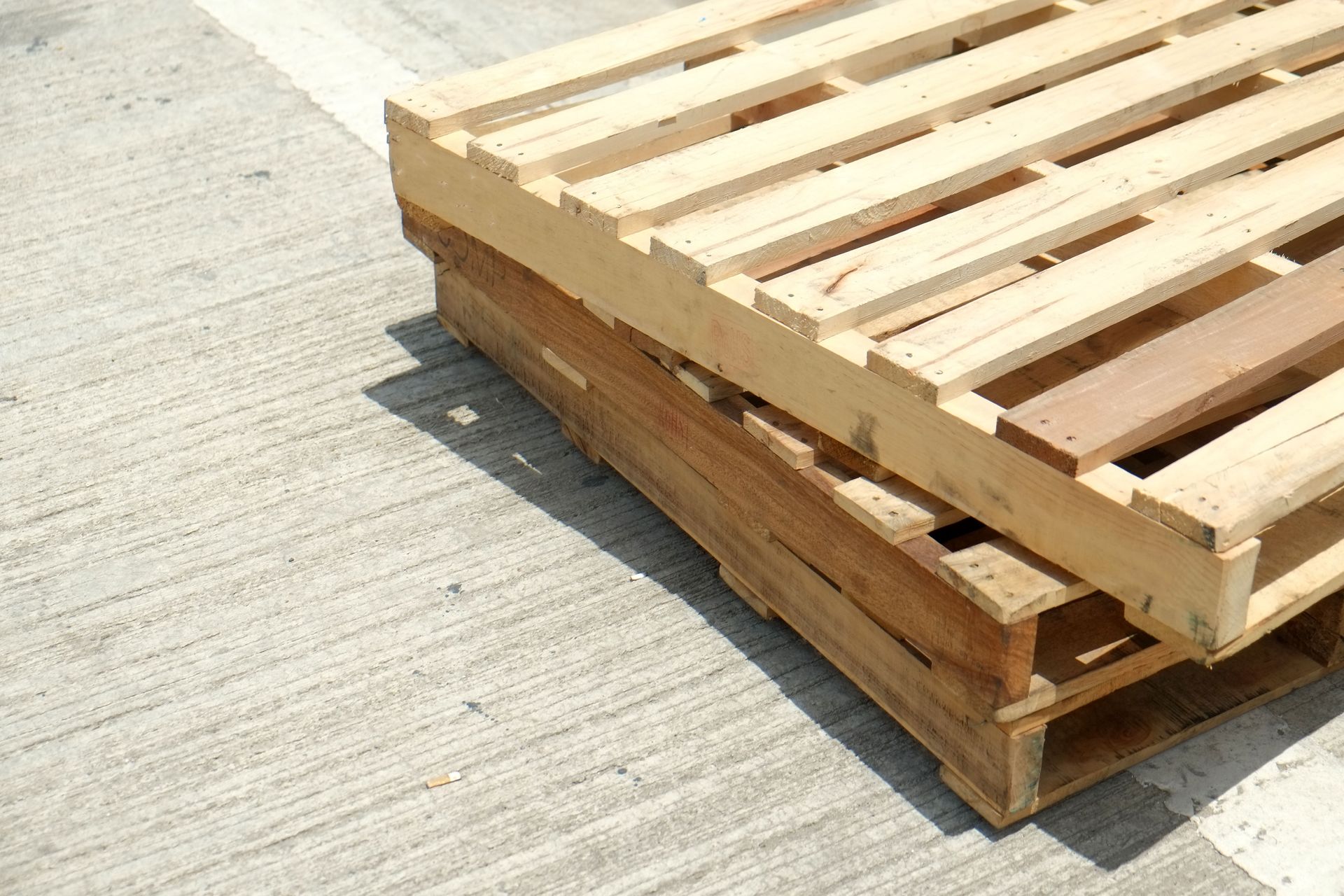
Enhancing load stability is one of the primary functions of wooden platforms, which remains crucial for the safe transportation of commercial goods across long distances. Consistent shapes and standardized structures help in evenly distributing heavy weight, thus reducing the risk of structural failure or product damage during highway or rail transit. In addition to protecting product integrity, stable loads significantly improve overall handling equipment safety for forklift drivers, warehouse workers, and dock personnel. This stabilization is particularly important when dealing with fragile goods, stacked liquids, or specialized cargo requiring specific structural orientations. Through enhancing stability, these shipping platforms contribute significantly to minimizing product losses, reducing liability, and maintaining overall supply chain integrity across diverse shipping routes.
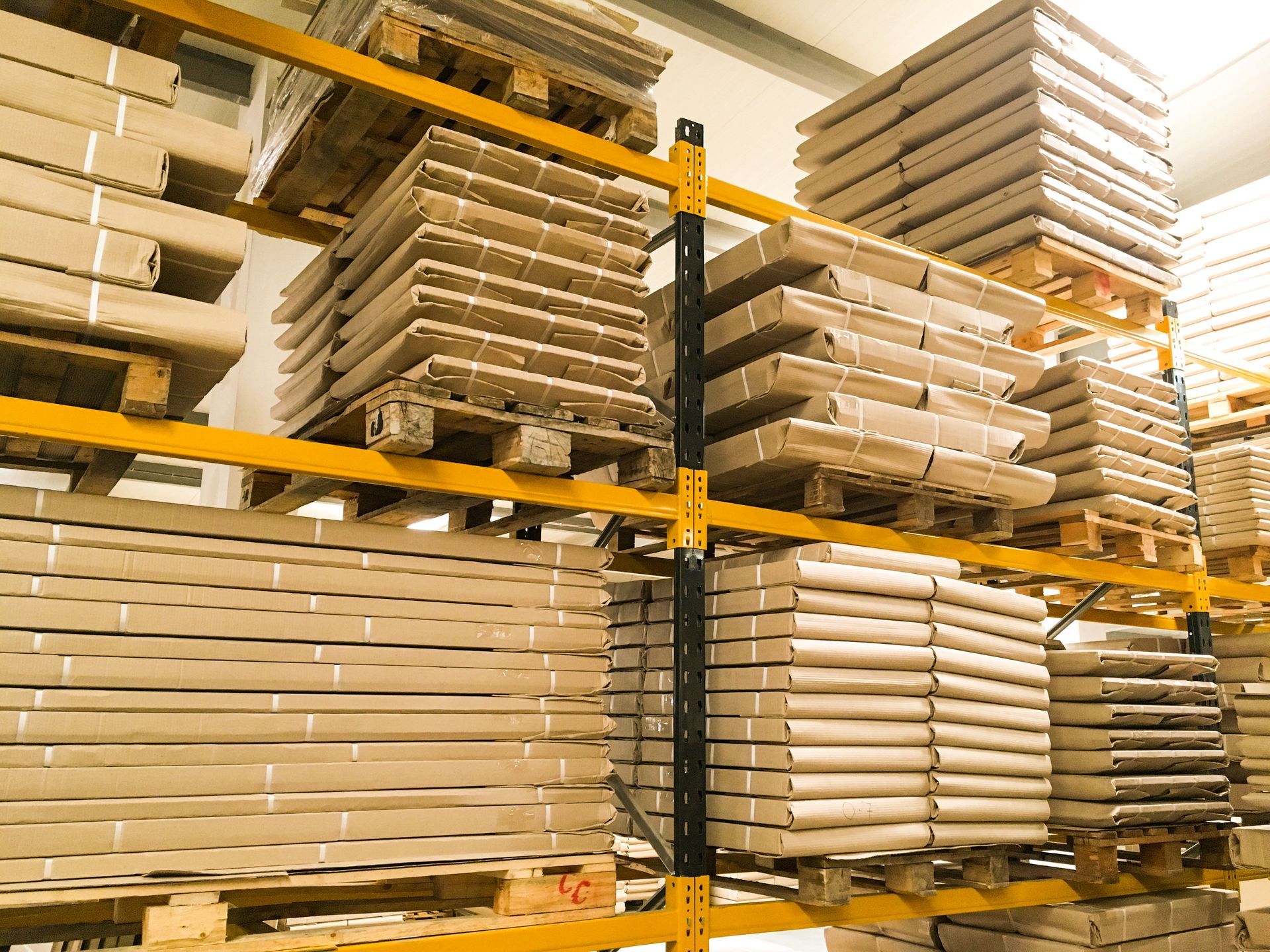
A certified wood pallet company significantly improves transportation efficiency by facilitating faster and safer loading and unloading processes at freight terminals. Standardized dimensions allow for optimal use of interior space within semitruck trailers, sea shipping containers, and automated warehouse shelves, minimizing unused voids while maximizing payload cargo capacity. This optimization remains vital for reducing overall shipping costs and minimizing carbon emissions associated with long-haul freight transportation. Efficient stacking, nesting, and organizing streamline complex logistics operations, leading directly to quicker dock turnaround times and increased warehouse throughput. Consequently, these structural frameworks play a pivotal role in ensuring timely consumer deliveries and maintaining total operational fluidity across complex global supply networks.
Sourcing Sustainable Materials
Standardization in the logistics industry is crucial for ensuring complete equipment compatibility across different stages of domestic and international supply networks. A dedicated wood pallet company contributes to this standardization by providing a uniform platform for goods, which simplifies the demanding processes of packing, storing, inventory auditing, and shipping. This uniformity ensures that various material handling systems and industrial machines, such as automated conveyers, high-reach forklifts, and manual jacks, can maneuver platforms universally without requiring expensive structural modifications. As a direct result, commercial enterprises benefit from reduced machinery costs, lower maintenance expenses, and increased overall operational efficiency. By facilitating standardization, structural platforms help in harmonizing international and domestic shipping operations seamlessly.
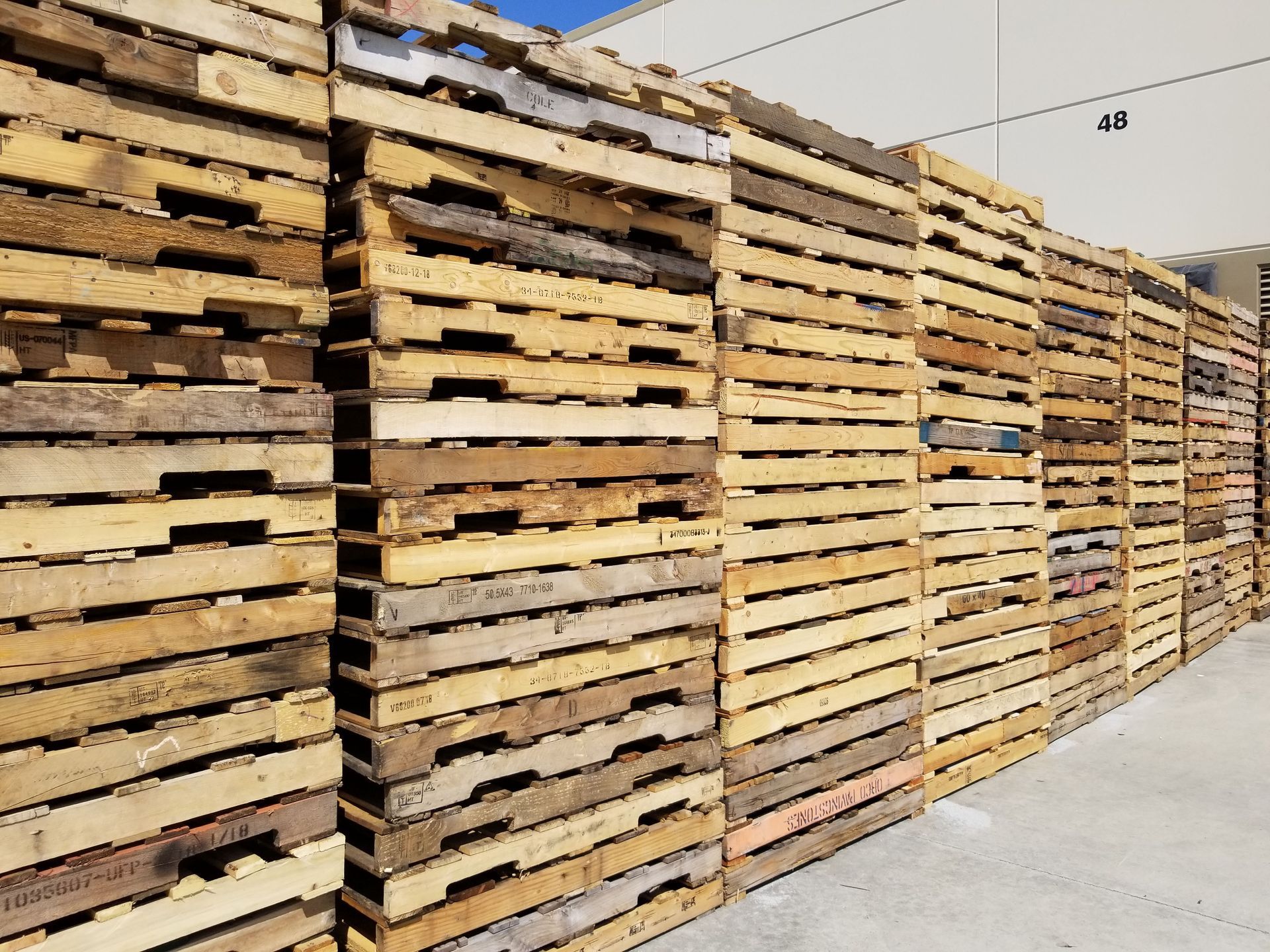
The sustainable nature of modern supply chains largely depends on adopting industrial practices that actively minimize negative environmental impact. By utilizing recyclable lumber, eco-conscious manufacturers contribute directly to a circular economy where shipping platforms can be repaired, reconditioned, or repurposed rather than discarded into landfills. This sustainable loop reduces the immediate demand for virgin timber, conserving natural forests and lowering carbon emissions associated with initial tree harvesting and mill processing. Sourcing lumber through certified forestry programs ensures that raw timber comes exclusively from responsibly managed forests that actively preserve biodiversity and protect fragile natural ecosystems. These ecological initiatives allow logistics networks to shrink their environmental footprint while maintaining continuous access to durable, high-performing shipping supplies.
Implementing Eco-friendly Manufacturing
Wood pallet companies are investing in energy-efficient production technologies and processes to minimize emissions associated with their operations. This includes utilizing renewable energy sources, optimizing logistics to reduce transportation-related emissions, and improving machinery efficiency. According to Mordor Intelligence, the market for wooden pallets in the U.S. is forecast to reach $85.03 billion by 2031, supported by these sustainable practices and a growing awareness of environmental impact.
Reducing the carbon footprint in manufacturing not only supports global ecological goals but also enhances internal operational efficiency and lowers corporate overhead costs. Modern production facilities are continually refining their assembly methods, adopting advanced automated equipment that consumes significantly less electricity while generating minimal raw wood waste. Sawdust, trimmings, and offcuts produced during daily manufacturing are systematically captured and converted into useful animal bedding, wood pellets, composite material products, or clean-burning biomass heating fuel. By aggressively eliminating waste at every single stage of production, a wood pallet company ensures that natural timber resources are utilized to their absolute maximum physical potential, creating a truly sustainable industrial manufacturing cycle.
Refining Advanced Designs
Innovating physical designs to create lightweight structural options significantly contributes to overall fuel efficiency during long-distance cargo transit. By reducing the tare weight of shipping platforms, logistics providers save directly on diesel fuel costs and lower cumulative greenhouse gas emissions across every leg of the shipping journey. Lightweight options facilitate much easier manual handling for warehouse personnel and enable faster loading cycles, expediting the entire logistics process from central storage facilities to final retail delivery points. These engineered designs incorporate smart structural alterations that retain maximum load capacity while using far less raw timber material. As modern corporate logistics operations increasingly prioritize cost-effective sustainability, engineered lightweight platforms have become vital operational assets for competitive supply networks.
Enhancing physical durability remains key to extending overall platform lifespans and reducing the operational frequency of complete structural replacements. Advances in platform design focus heavily on reinforcing critical stress points, making units highly resistant to severe impacts, corner drops, and heavy surface wear under demanding warehouse conditions. High-durability builds endure multiple cycles of heavy loading, mitigating the ongoing expenses and labor resources involved in frequent maintenance or rebuilding. Integrating internal asset tracking technology, such as embedded radio-frequency identification tags or satellite-connected sensors, further improves real-time inventory visibility and overall fleet management. These continuous engineering improvements ensure that modern shipping structures deliver exceptional, reliable performance across demanding international supply chains.
Minimizing Supply Chain Costs
Relying on a wood pallet company helps minimize overall transportation expenses through efficient load management and optimized cargo space utilization. Standardized physical dimensions allow for dense vertical stacking and compact nesting, maximizing truck trailer space and reducing the total number of required road shipments over time. This structural spatial efficiency results in direct cost savings on fuel, toll fees, and driver labor while lowering the overall transportation carbon footprint significantly. Robust structural builds decrease the risks of physical shipment damage during transit, reducing corporate expenses related to product returns, administrative filing, insurance claims, and item replacements. Effective platform management translates directly into substantial economic advantages across all tiers of enterprise logistics operations.
Minimizing product damage safeguards corporate bottom lines and prevents highly disruptive supply chain bottlenecks during peak commercial retail periods. Secure, level platforms ensure fragile goods arrive at destination distribution centers in pristine condition, eliminating severe financial losses linked to damaged or unsellable inventory. Furthermore, standardized platforms eliminate operational inefficiencies within distribution centers by enabling seamless automated handling, rapid conveyor transfer, and organized vertical warehouse stacking. Providing predictable, transparent cost structures allows corporate logistics managers to budget accurately for shipping and storage expenses over extended financial planning cycles. Through consistent pricing structures and reliable physical performance, dedicated shipping platforms support long-term financial stability for growing global enterprises.
A wood pallet company plays an indispensable role in maintaining the structural strength, overall efficiency, operational safety, and environmental sustainability of modern global supply chains. From optimizing trailer transport space and minimizing product damage to implementing cutting-edge eco-friendly manufacturing practices, these specialized organizations provide the essential physical infrastructure required for smooth worldwide commerce.
For commercial enterprises seeking to optimize their logistics network with high-quality, sustainable platform solutions, partnering with Spartan Supply Pallet Company offers the perfect path forward. Contact us today to discover how our expert team can streamline your shipping operations, protect your valuable cargo, lower your transit overhead, and drive lasting efficiency throughout your entire supply chain network.