In the fast-paced world of logistics and supply chain management, wood pallets play a critical role in the efficient movement and storage of goods. Choosing the right pallet supplier can significantly impact your operations, product handling, and long-term costs. To make an informed decision, it’s essential to ask the right questions before committing to a vendor.
The right pallet supplier should be able to discuss quality, delivery capabilities, customization, sustainability, and pricing in a clear and practical way. This article outlines the most important questions to ask your wood pallet supplier so you can better evaluate reliability, consistency, and fit for your business needs. As you read on, you’ll discover how these questions can help streamline your operations and support stronger supply chain performance.
1. Understanding The Supplier's Experience And Expertise
When evaluating a pallet supplier, understanding their experience and industry background is crucial. A supplier with years of experience is likely to have a better grasp of the manufacturing, storage, and logistics needs that affect pallet performance. Ask how long they have been in the wood pallet industry, what types of businesses they serve, and whether they regularly handle orders similar to yours.
You should also ask what types of pallets they provide. Some businesses need standard pallets for everyday warehouse use, while others need custom sizes, higher load capacities, or pallets prepared for international shipping. A pallet supplier that can explain these options clearly may be better prepared to help you choose products that match your operation.
Certifications and standards are also important. Ask whether the supplier follows industry standards such as ISPM 15, which applies to wood packaging material used in international trade. A pallet supplier familiar with these requirements can help reduce delays, rejected shipments, or compliance concerns.
Quality control is another key part of experience. Ask how the supplier checks materials, inspects finished pallets, and addresses production issues. A pallet supplier with a clear quality control process can help reduce the risk of defects that affect storage, shipping, and product safety.
2. Evaluating Quality And Material Sourcing
The quality of wood used in pallets plays a major role in durability and performance. Ask your pallet supplier what types of wood they use and why those materials are suitable for your needs. Different wood species offer different levels of strength, cost efficiency, and longevity, so it helps to understand what you are buying.
Material sourcing is also worth discussing. Responsible wood sourcing can support better sustainability practices while also giving you more confidence in the consistency of the pallets. A pallet supplier should be able to explain where their materials come from and how they maintain quality across different orders.
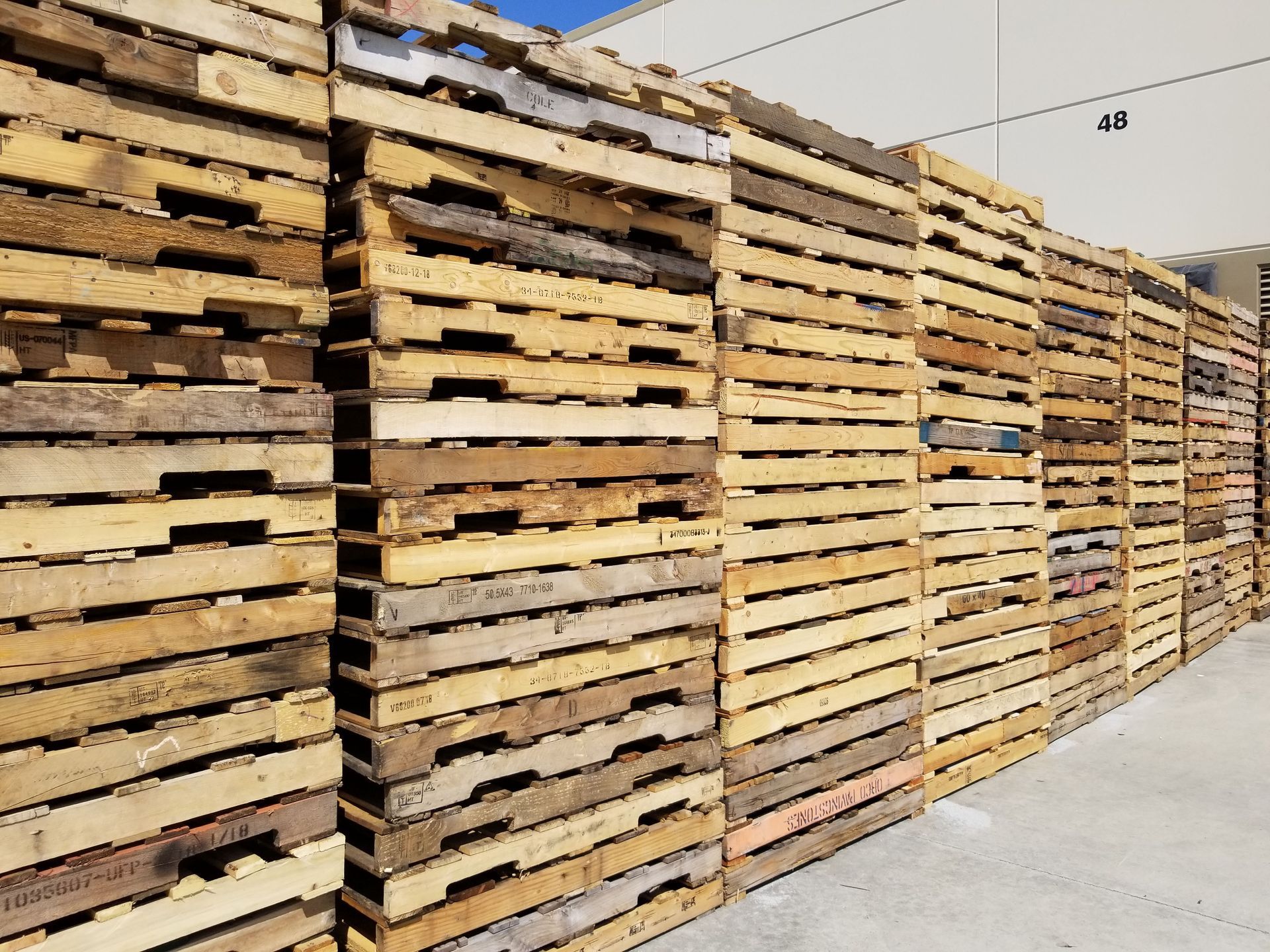
You may also want to ask whether the supplier offers heat-treated pallets, chemically treated pallets, or recycled pallets. Heat treatment can be especially important for businesses involved in international shipping because it helps meet regulations related to pests and wood packaging. According to Virginia Tech, the most common size for wood pallets in the U.S. is 48 by 40 inches, a standard your supplier should be familiar with.
Defects and quality issues should also be addressed before a purchase is made. Ask how the supplier handles broken boards, weak construction, inconsistent sizing, or other concerns. A reliable pallet supplier should have a practical process for resolving problems quickly and professionally.
3. Customization And Design Capabilities
Customization can be important for businesses with specific storage, transportation, or product protection needs. Ask whether your pallet supplier can create custom pallet designs based on size, weight capacity, handling method, and product type. Standard pallets may work for many businesses, but custom solutions can be valuable when goods require extra support.
A strong design process should include clear communication. The supplier should ask about your products, warehouse setup, shipping methods, and loading requirements before recommending a pallet design. A pallet supplier that takes time to understand these details can help you avoid pallets that are too weak, too large, too small, or poorly suited to your workflow.
You should also ask whether the supplier can provide prototypes or samples before full production begins. This can help you test the pallet design in real conditions and identify any changes that need to be made. A pallet supplier with custom design experience should be able to explain timelines, testing options, and production requirements.
Past projects can also help you evaluate capability. Ask for examples of custom work the supplier has completed for other businesses. Reviewing these examples can show whether the pallet supplier has experience solving practical shipping and storage challenges.
3. Assessing Delivery And Logistics
Delivery and logistics are major factors when choosing a pallet supplier. Even high-quality pallets can create problems if they do not arrive when your business needs them. Ask about delivery areas, standard turnaround times, and whether the supplier can support all of your locations.
You should also ask whether rush orders are available. Businesses often face changes in demand, seasonal spikes, or unexpected shipping needs. A pallet supplier that can respond quickly may help you keep operations moving when timing becomes tight.
Large-volume capacity is another important question. If your business uses a high number of pallets, ask whether the supplier can handle recurring orders without reducing quality. A pallet supplier should be able to discuss production capacity, inventory planning, and how they handle busy periods.
Delivery problems can happen because of weather, transportation delays, equipment issues, or material shortages. Ask how the supplier communicates during delays and what backup plans they have in place. A pallet supplier with organized logistics can help reduce disruptions and give your business better visibility into upcoming deliveries.
4. Reviewing Service Support And Long-Term Reliability
Service support is another important factor to consider when choosing a pallet supplier. Your business may need more than a one-time order, especially if pallets are part of your regular shipping, storage, or distribution process. Ask how the supplier supports customers after an order is placed, including how they handle reorder requests, product questions, and changing business needs.
A dependable pallet supplier should make communication easy. You may need to ask about updated pricing, delivery timing, custom sizes, repair options, or future order planning. When a supplier responds clearly and consistently, it can help your business avoid confusion and make faster decisions when pallet needs change.
It is also helpful to ask whether the supplier can grow with your business. If your order volume increases, your locations expand, or your shipping requirements change, you need a supplier that can adapt. A pallet supplier with strong production capacity and flexible service options can help your business stay prepared as demand shifts.
Long-term reliability can make a major difference in your supply chain. Instead of replacing vendors often, working with the same trusted supplier can create consistency in pallet quality, ordering, and delivery. By asking about ongoing support before you commit, you can choose a pallet supplier that is better positioned to serve your business well over time.
Choosing the right pallet supplier involves more than comparing prices. By asking about experience, materials, customization, delivery, pricing, and sustainability, you can better understand whether a supplier fits your operational needs. The right questions can help you build a stronger vendor relationship, reduce supply chain disruptions, and choose pallets that support safe and efficient product movement. If you need a pallet supplier, contact Spartan Supply Pallet Company.