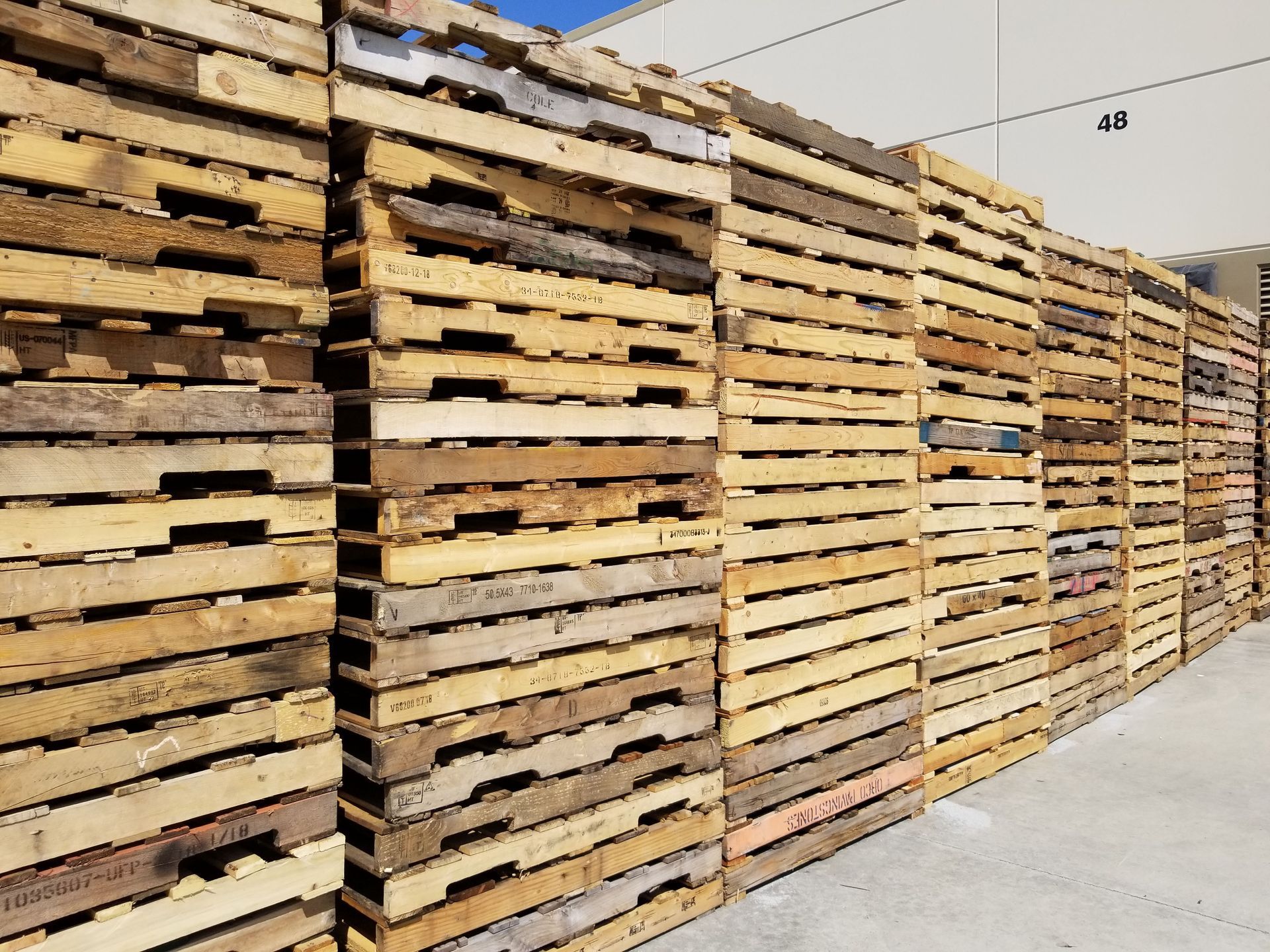
The logistics and supply chain landscape is constantly evolving, requiring businesses to shift their strategies to remain competitive. At the foundation of this massive global network is a seemingly simple product that keeps everything moving efficiently. Without reliable shipping materials, the entire system would slow down. In the current environment, the essential role that pallet companies play cannot be overstated. As demands shift, these organizations must rethink their traditional methods to better serve an expanding market. From sustainability pushes to technological upgrades, the way these businesses operate is undergoing a major transformation. Adapting to modern expectations is an absolute necessity for survival. Business owners rely heavily on these suppliers to keep their goods protected during transit. Over the coming years, the changes we see will redefine how shipping materials are manufactured and recycled. Let us explore the fundamental ways that the industry is evolving.
1. Embracing Sustainable Material Alternatives
Environmental responsibility is a major focus across nearly every industry, and the shipping sector is no exception. Today, many pallet companies are now prioritizing sustainable practices to reduce their environmental impact and appeal to eco-conscious clients. Traditional manufacturing methods often resulted in waste, but modern approaches prioritize resource conservation. Businesses are increasingly investing in recycling programs that repair and repurpose older shipping platforms instead of discarding them. The use of reclaimed materials has become a standard practice, ensuring fewer virgin resources are harvested. This shift provides cost-effective solutions for clients wanting to lower operational expenses. Innovations in biodegradable options are gaining traction, offering durable yet environmentally friendly choices. Customers are actively seeking partners who share their commitment to sustainability, making this adaptation a critical competitive advantage.
2. Implementing Advanced Tracking Technology
Visibility is a critical component of successful logistics, and modern technology is making it easier than ever to monitor shipments. Innovations like internet-connected sensors and automated tracking systems allow pallet companies to streamline their operations and provide unprecedented transparency. These advancements enable businesses to track the exact location, temperature, and condition of their shipping materials in real time. This level of oversight is particularly valuable for industries that transport sensitive goods, such as food or pharmaceuticals. By leveraging this advanced technology, suppliers can identify bottlenecks, reduce the risk of loss, and optimize their delivery routes. The integration of smart tracking also helps in managing inventory more effectively, ensuring that clients always have the materials they need precisely when they need them. Automation within warehouse facilities further accelerates the sorting and distribution process, minimizing human error and increasing overall efficiency. As these digital tools become more sophisticated, they will continue to revolutionize the way shipping materials are managed and monitored throughout their entire lifecycle.
3. Expanding Customization and Design Options
One size does not fit all in the world of logistics, and standardized products are no longer sufficient for every application. To meet the unique needs of diverse industries, forward-thinking pallet companies offer a wide range of customized solutions. Clients often require specific dimensions, weight capacities, or structural designs to accommodate specialized cargo or automated warehouse systems. By providing tailored design services, suppliers can help their customers maximize storage space and prevent product damage during transit. This flexibility allows businesses to optimize their packaging strategies and reduce unnecessary shipping costs. Furthermore, specialized treatments, such as heat treatment for international shipping compliance, are increasingly requested to ensure smooth cross-border transportation. The ability to quickly design and manufacture custom shipping platforms is a significant differentiator in a crowded market. Suppliers that invest in flexible manufacturing processes are better positioned to respond to unique client requests and industry-specific regulations. This dedication to customization ensures that every customer receives a product perfectly suited to their operational requirements.
4. Optimizing Supply Chain Efficiency
Efficiency is the lifeblood of the logistics industry, and delays or disruptions can have cascading effects throughout the entire network. To mitigate these risks, top pallet companies recognize the importance of optimizing every aspect of their own supply chains. This involves streamlining procurement, manufacturing, and distribution processes to ensure maximum productivity and minimize waste. Strong relationships with raw material suppliers and transportation partners are essential for maintaining a steady flow of products. By utilizing data analytics and predictive modeling, these organizations can anticipate market fluctuations and adjust their production schedules accordingly. This proactive approach prevents inventory shortages and allows suppliers to meet tight delivery deadlines consistently. Additionally, decentralized manufacturing and strategic warehouse locations help reduce transit times and lower transportation costs for the end consumer. As the global marketplace becomes increasingly interconnected, the ability to operate a lean, responsive, and resilient supply chain is a fundamental requirement for long-term success. According to Mordor Intelligence, the market for wooden pallets in the U.S. is forecast to reach $85.03 billion by 2031 at a 5.72% CAGR over 2026-2031. This remarkable growth highlights the necessity for highly optimized operations.
5. Prioritizing Rigorous Quality Control
When shipping valuable merchandise, structural integrity and reliability are non-negotiable requirements. A failure during transit can result in damaged goods, safety hazards, and significant financial losses for the businesses involved. To prevent such issues, leading pallet companies maintain incredibly rigorous quality control standards throughout the production process. Every piece of material is carefully inspected for defects, and finished products undergo extensive testing to verify their load-bearing capabilities. Advanced manufacturing equipment ensures consistent construction and precise dimensions, reducing the likelihood of structural failures. Furthermore, strict adherence to industry regulations and safety guidelines is enforced to guarantee compliance and protect workers. Quality assurance programs not only enhance the durability of the shipping platforms but also build trust and confidence with clients. When businesses know they are receiving dependable products, they are more likely to establish long-term partnerships with their suppliers. Maintaining an unwavering commitment to quality is an essential strategy for adapting to the high expectations of modern commerce.
6. Developing Comprehensive Management Programs
Beyond simply manufacturing and selling shipping platforms, modern suppliers are expanding their service offerings to include full-scale management programs. These comprehensive solutions are designed to take the burden of inventory tracking and maintenance off the shoulders of warehouse operators. By utilizing a closed-loop system, manufacturers can deliver fresh supplies, retrieve used ones, and handle all necessary repairs or recycling. This seamless process ensures that facilities always have adequate stock without dedicating valuable floor space to damaged or unused items. Outsourcing this responsibility allows businesses to focus entirely on their core operations, knowing their logistics infrastructure is being expertly handled. Furthermore, these management services provide detailed reporting and analytics, giving clients valuable insights into their usage patterns and operational costs. The shift from being purely a product manufacturer to a full-service logistics partner is a major adaptation. It creates deeper, more integrated relationships between suppliers and their clients, fostering long-term loyalty and mutual growth in a highly competitive landscape.
The logistics industry is moving faster than ever, and the foundational elements of the supply chain must evolve to keep pace. From embracing environmentally friendly materials to integrating smart technology, the landscape is shifting dramatically. Expanding customization, prioritizing quality, optimizing efficiency, and offering comprehensive management services are all vital steps forward. Understanding how pallet companies adapt to these changes provides valuable insight into the future of global commerce. Businesses that rely on efficient shipping must partner with forward-thinking suppliers who are ready to meet the challenges of tomorrow. A proactive approach to logistics ensures that your goods remain safe, your operations stay lean, and your bottom line is protected. If you are ready to upgrade your shipping strategy and experience the benefits of a modern, adaptable supplier, we are here to help. Call Spartan Supply Pallet Company today to learn more about our innovative solutions and how we can support your business growth.