By Kelly Oney
April 24, 2026
Circular economies are reshaping how industries think about materials, waste, and long-term sustainability. Instead of a linear system where resources are used once and discarded, circular models emphasize reuse, refurbishment, and recycling to extend the life of materials. In this context, recycled wood pallets play an important role in reducing waste streams while supporting more efficient supply chains across multiple industries.
The shift toward circularity is not only about environmental responsibility but also about practical business efficiency. More and more companies recognize that materials traditionally considered disposable can be reintroduced into production cycles. This approach helps reduce pressure on natural resources, lowers disposal costs, and encourages innovation in logistics and manufacturing systems.
Extending Material Lifespans Through Reuse
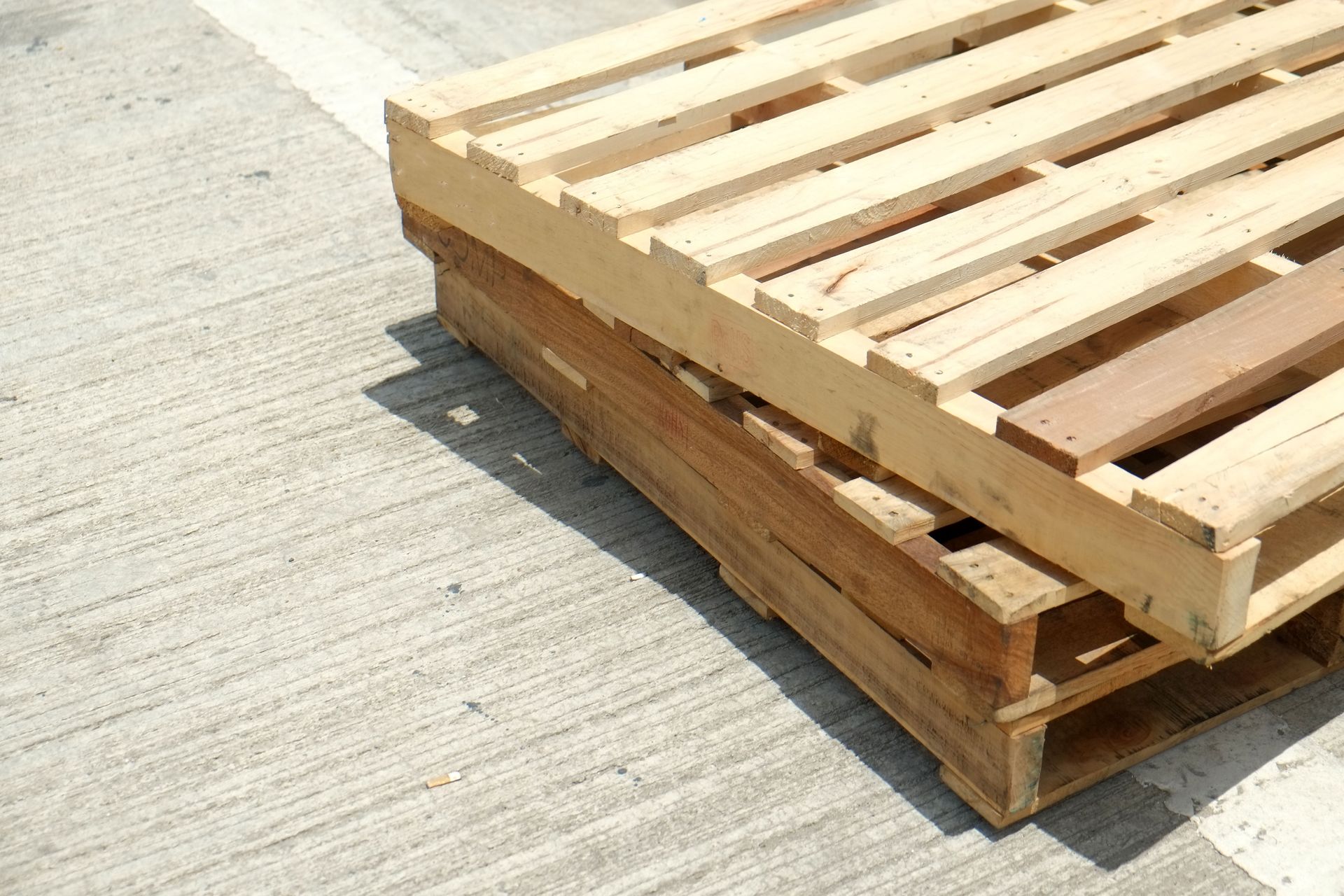
Reusing wooden pallets is one of the most direct ways in which industries participate in circular economy practices. When pallets are collected after initial use, they can often be repaired and returned to service rather than discarded. This process reduces the demand for new raw lumber and minimizes the environmental impact associated with producing fresh materials.
Another advantage of using recycled wood pallets is the reduction of waste sent to landfills. Many pallets that would otherwise be discarded still have structural integrity and can safely support additional shipping cycles. By extending their usable lifespan, businesses help reduce overall material consumption while maintaining the efficiency of their distribution networks.
Reconditioning programs also create opportunities for specialized labor in inspection, repair, and sorting. These activities support local economies while ensuring that only safe and functional pallets are reintroduced into circulation. Over time, this creates a system where materials are continuously cycled rather than disposed of after a single use.
In many supply chains, pallet pooling systems have emerged as a coordinated way to manage reuse. These systems allow companies to share standardized pallets, which are collected, repaired, and redistributed as needed. This reduces inefficiencies caused by inconsistent pallet quality and supports a more unified circular structure.
Reducing Waste Through Recycling Processes
When pallets reach the end of their usable life, recycling becomes a key step in keeping materials within the circular economy. Wood from damaged or irreparable pallets can be chipped, shredded, or processed into other useful products such as mulch, biomass fuel, or composite materials. This ensures that even degraded materials retain value.
Recycling processes also reduce the need for virgin timber extraction. By turning used wood into secondary products, industries can help preserve forest ecosystems and reduce the environmental burden of logging. This contributes to long-term sustainability goals while still meeting industrial demand for wood-based materials.
In addition, recycled wood pallets reduce disposal costs for businesses. Instead of paying for landfill use or incineration, companies can redirect waste pallets into recycling streams that often provide partial financial return or cost savings. This makes recycling both an environmentally and economically beneficial choice.
The logistics of recycling wood materials have improved significantly over time, with specialized facilities designed to process large volumes efficiently. These facilities sort, clean, and break down pallet components into reusable outputs. The result is a more efficient system that keeps materials circulating within the economy rather than exiting it permanently.
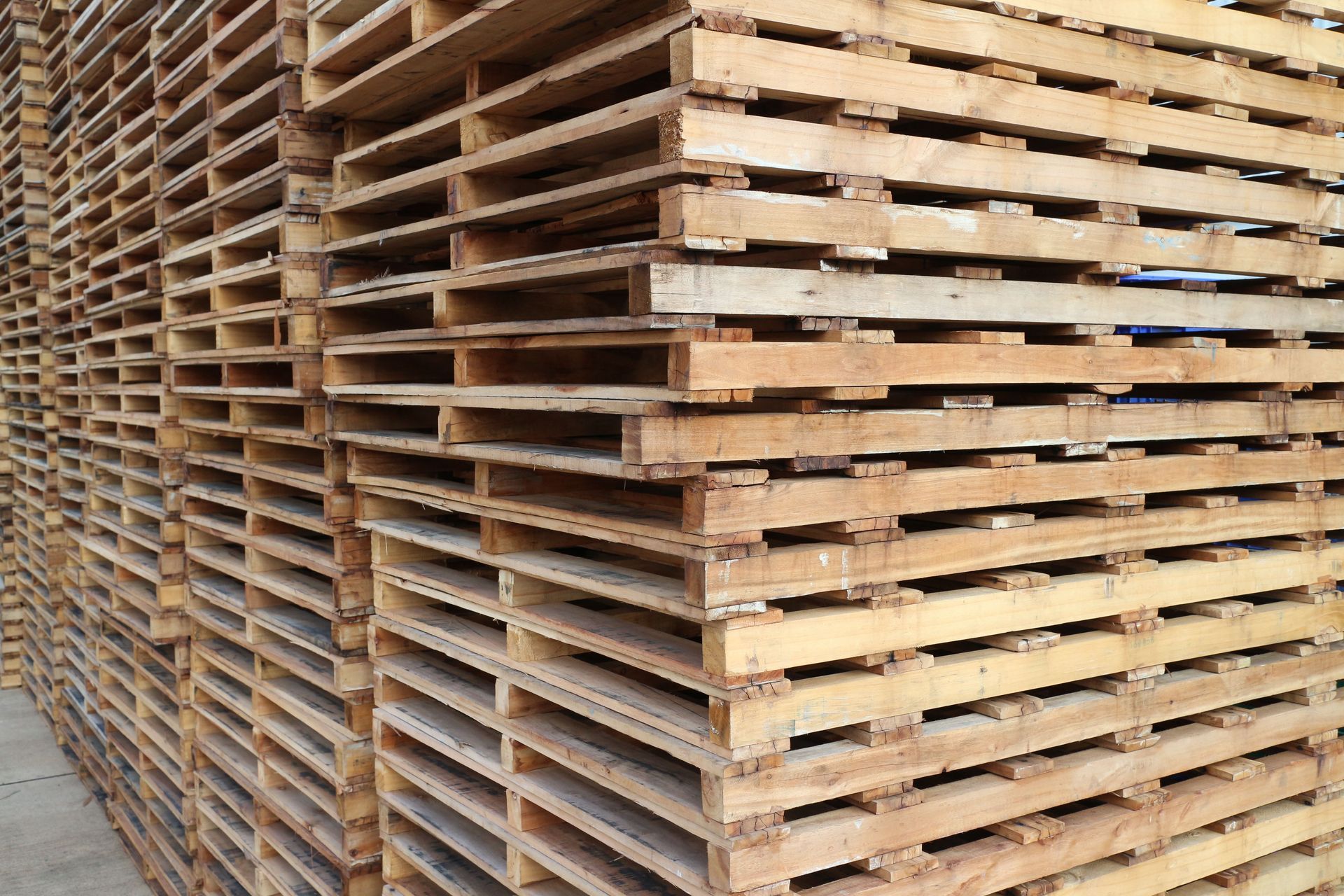
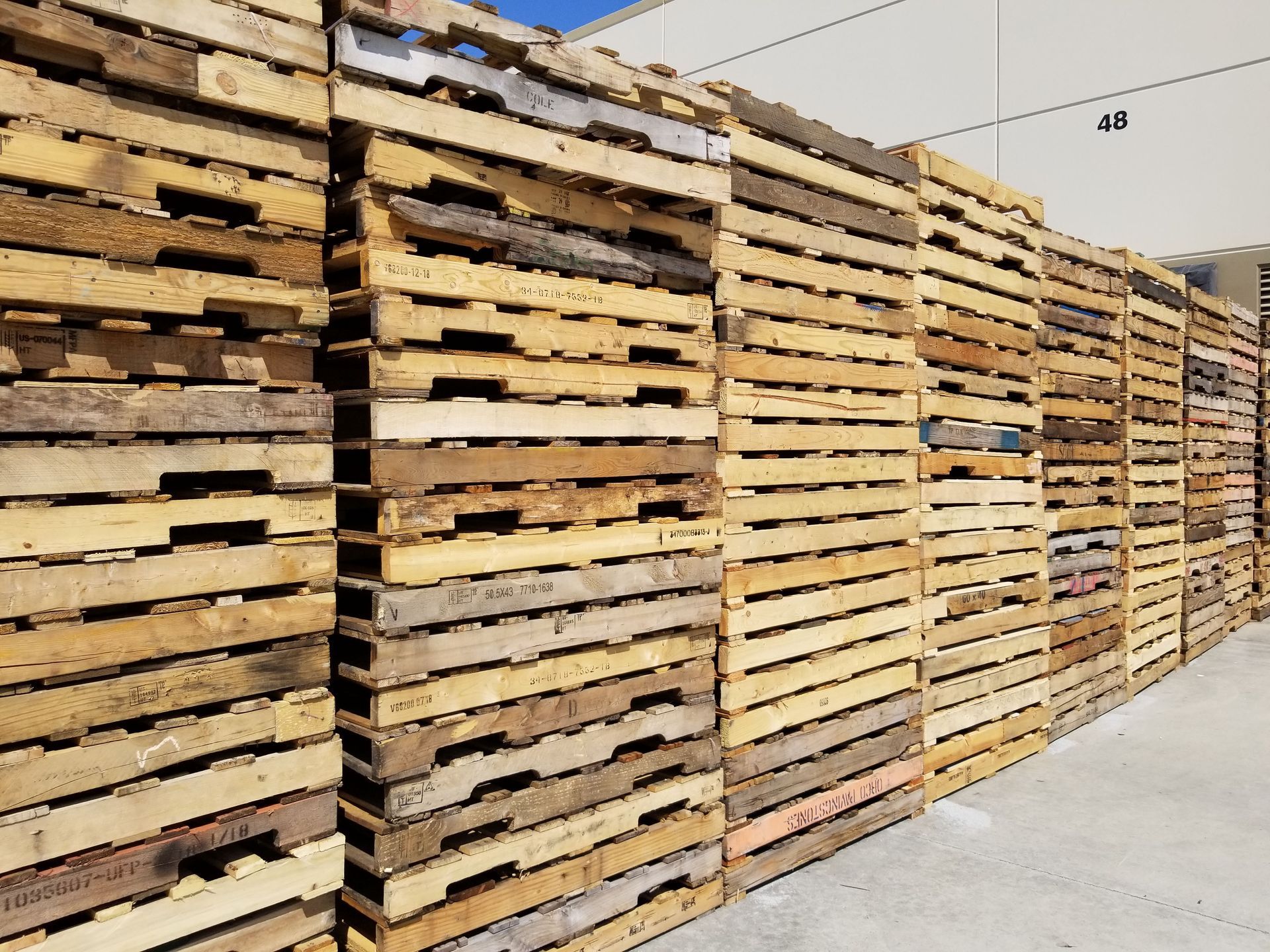
According to Virginia Tech, approximately two billion wood pallets are used across the U.S. annually. This immense volume demonstrates why efficient reuse and recycling systems are essential for managing material flow. Without structured recovery processes, the environmental impact of discarded pallets would be significantly higher.
Supporting Sustainable Supply Chains and Logistics
Supply chains benefit greatly from integrating recycled materials into their operational systems. When businesses choose refurbished or reused pallets, they reduce their dependence on newly manufactured goods. This creates a more resilient logistics network that is less vulnerable to raw material shortages or price fluctuations.
Transportation efficiency is also improved when pallet systems are standardized through reuse programs. Consistent pallet sizes and conditions help streamline loading, stacking, and shipping processes. This reduces delays and minimizes damage during transit, contributing to overall operational efficiency.
Sustainability goals are increasingly influencing procurement decisions across industries. Companies are under pressure to demonstrate environmentally responsible practices, and the use of reused materials plays a direct role in meeting these expectations. By integrating recycled wood pallets into their supply chains, businesses can reduce their environmental footprint while maintaining performance standards.
Collaboration between manufacturers, distributors, and recycling facilities strengthens this system further. When all participants in the supply chain work together, materials can be tracked, recovered, and reintegrated more effectively. This coordinated approach enhances both sustainability outcomes and economic efficiency.
Driving Innovation in Circular Material Systems
Innovation plays a key role in expanding how materials are reused and repurposed within circular economies. New technologies in sorting, tracking, and material processing make it easier to manage where pallets end up. These advancements help ensure that usable materials aren't lost in the waste stream.
Digital tracking systems, for example, allow companies to monitor pallet movement throughout the supply chain. This visibility makes it easier to recover and redeploy materials efficiently. It also reduces losses caused by misplacement or improper disposal, improving overall system performance.
Material science developments are also contributing to improved durability of wood-based products. Treatments and structural enhancements can extend the lifespan of recycled wood pallets, reducing the frequency of replacement. This lowers resource consumption while maintaining functional reliability in demanding logistics environments.
At the same time, companies are exploring hybrid material models that combine recycled wood with other sustainable inputs. These innovations aim to improve strength, reduce weight, and enhance reuse potential. By continuously refining material design, industries can further strengthen circular economy systems and reduce reliance on virgin resources.
Expanding Economic and Environmental Benefits
The economic benefits of circular systems extend beyond direct cost savings. Businesses that incorporate reuse and recycling practices often experience improved resource efficiency and reduced operational waste. These advantages can translate into more stable long-term financial performance.
Environmental benefits are equally significant, as reducing demand for new materials helps conserve natural resources. Lowering deforestation rates and minimizing industrial waste contribute to healthier ecosystems. These outcomes align with broader sustainability goals shared by governments, organizations, and communities.
Local economies also benefit from industries built around repair, sorting, and recycling. These sectors create jobs and support specialized skill development in material recovery processes. This strengthens regional economic resilience while promoting environmentally responsible practices.
As circular systems continue to evolve, they demonstrate how industrial processes can be redesigned for long-term sustainability. The integration of reuse, recycling, and innovation creates a closed-loop approach that benefits both the economy and the environment. Over time, these systems help redefine how materials are valued and managed.
The role of recycled wood pallets in circular economies highlights how even simple industrial materials can contribute to large-scale sustainability goals. By extending the lifecycle of wood products, industries reduce waste and improve resource efficiency. This shift reflects a broader transformation in how businesses approach production and logistics.
As circular practices become more widely adopted, companies are better positioned to balance economic performance with environmental responsibility. The continued development of reuse and recycling systems ensures that materials remain in circulation for as long as possible.
Partner with Spartan Supply Pallet Company to streamline your operations with high-quality recycled wood pallets that support both efficiency and sustainability. Contact us today to see how we can help your business reduce waste and strengthen your supply chain.