The logistics and supply chain industry is in a constant state of evolution, driven by the intense pressures of efficiency, cost reduction, and sustainability. One of the most significant advancements aiding this rapid evolution is the development of smart tracking systems. These digitally enhanced units provide unprecedented opportunities to streamline operations, cut costs, and reduce waste. In a world where raw resources are increasingly scarce, and environmental concerns are at the forefront of public and corporate agendas, modern logistics solutions offer a multi-faceted answer. This article delves into how smart systems are revolutionizing supply chain management, providing deep insights into their transformative impact on the shipping industry.
Enhanced Tracking and Traceability
Smart transport platforms are equipped with cutting-edge technology that allows for real-time tracking of goods as they move through the shipping network. This capability provides businesses with instant access to the exact location of their inventory at any given time. With traditional options, tracking relied heavily on manual processes that were inherently prone to human error. In contrast, advanced systems use GPS and RFID technology to maintain accurate and updated records. This enhanced visibility not only improves logistical efficiency but also helps companies respond swiftly to any sudden disruptions in the supply chain.
Inventory Management Optimization
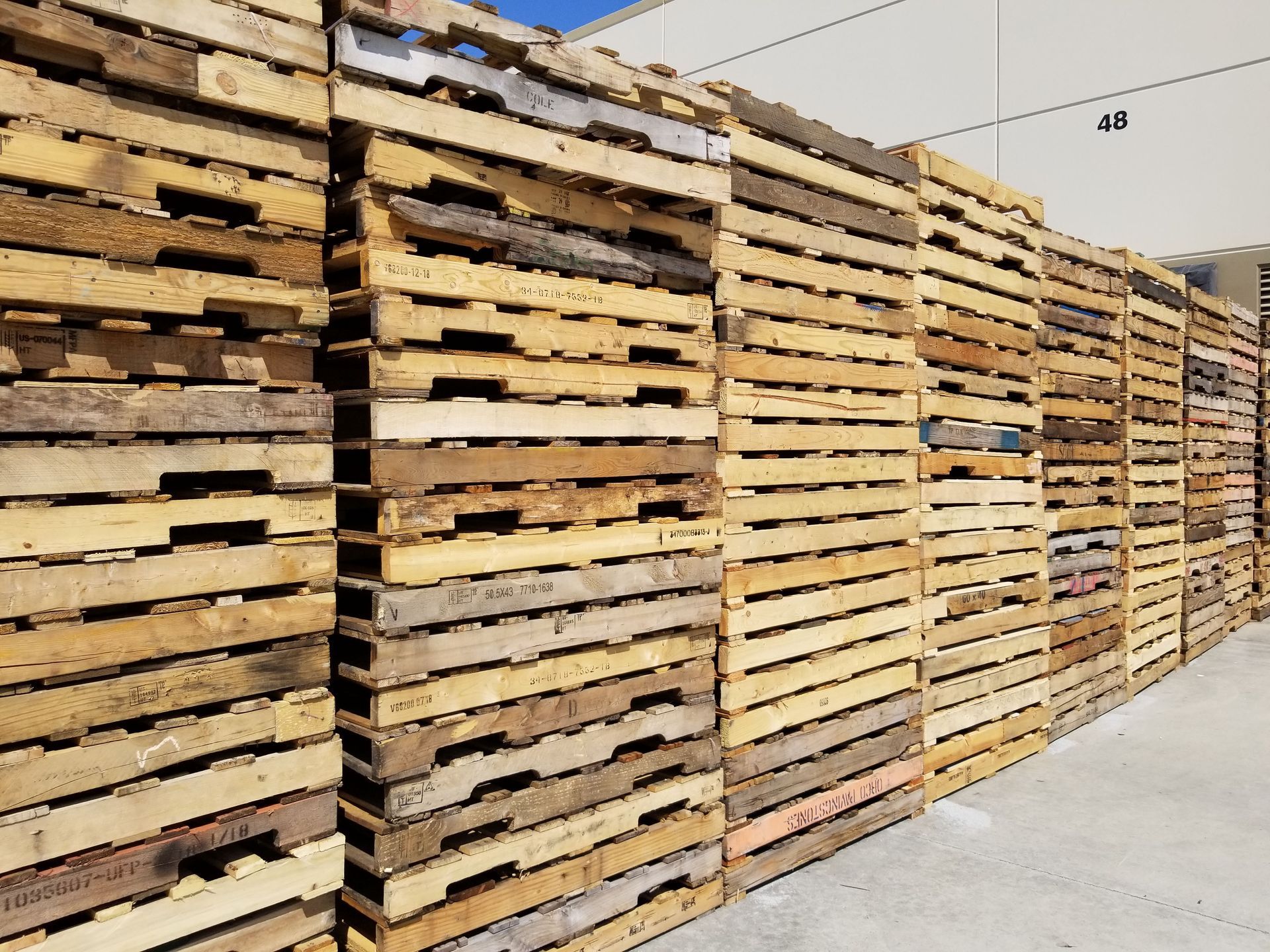
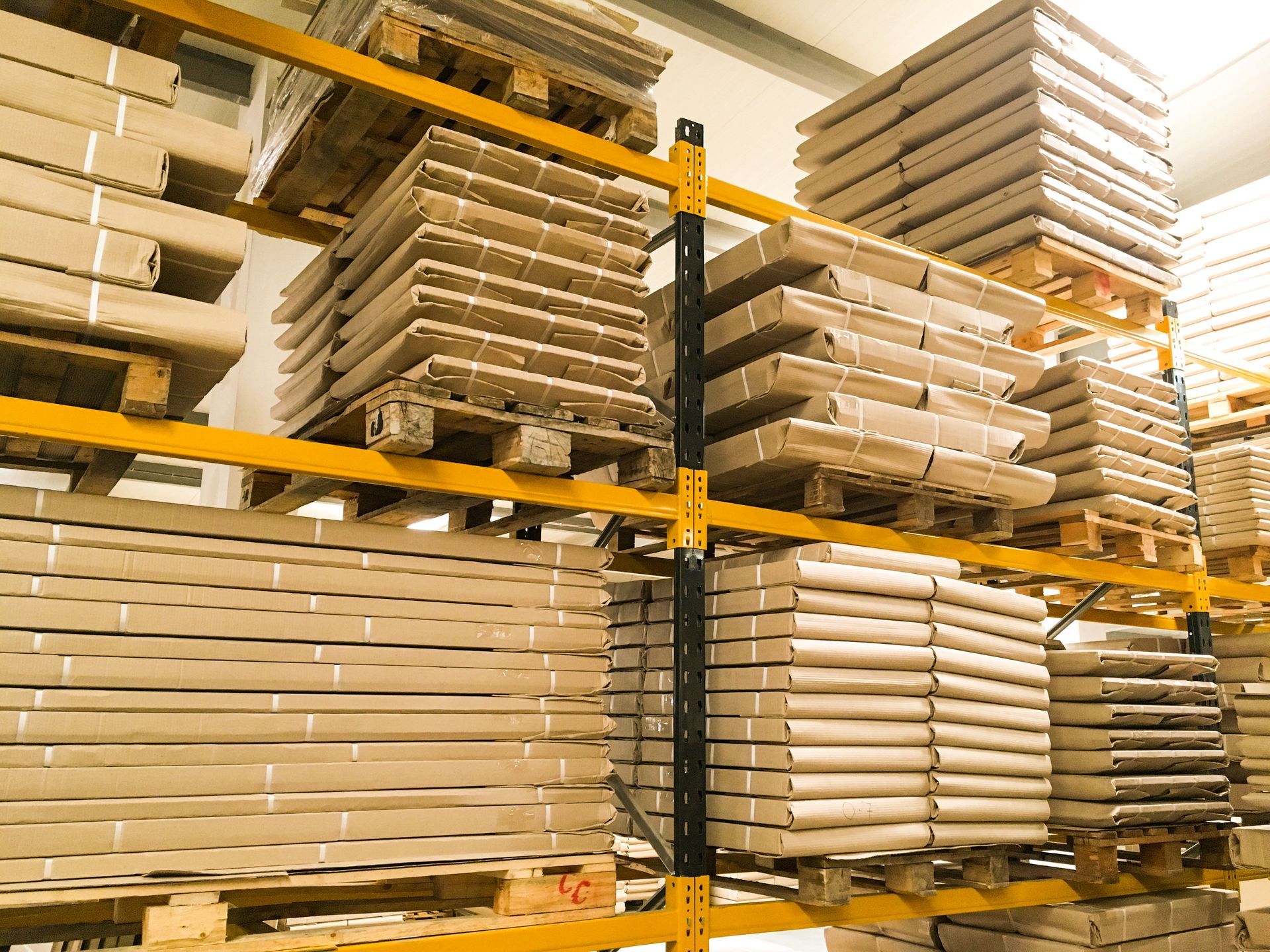
By providing precise data on inventory levels, smart tracking units contribute significantly to optimal warehouse management. They enable enterprises to track and manage their stock more efficiently, reducing the holding costs associated with excess inventory. The enhanced data analytics capabilities allow for more accurate demand forecasting, thereby minimizing waste and overstocks. According to NC State University research, there are roughly 3.1 billion wooden pallets moving across the United States, and the manufacturing of brand-new units experienced a 75% surge between 2016 and 2021 to reach 919 million. Integrating smart technology into these massive circulation pools can lead to significant improvements in inventory turnover rates. Ultimately, this leads to a more responsive supply chain capable of adapting to fluctuations in demand.
Automated Alerts and Notifications
The ability to set up automated alerts and notifications is one of the most valuable features of modern logistics technology. These alerts can be triggered by various parameters, such as structural damage, temperature changes, or deviations from planned routes. This proactive approach allows companies to address potential issues before they escalate into major problems. For instance, if a platform experiences a significant impact, the system can alert operators immediately, enabling them to inspect and mitigate any potential damage. This ensures that the supply chain remains smooth and efficient, preventing costly delays and losses.
Improved Supply Chain Visibility
Enhanced supply chain visibility is a critical advantage offered by smart shipping solutions. With comprehensive tracking and data collection capabilities, companies gain a transparent view of their entire logistics operation. This level of visibility fosters better collaboration among supply chain partners. By sharing accurate, real-time information, all parties involved can coordinate more effectively, ensuring that operations are aligned and efficient. Moreover, it allows businesses to identify inefficiencies and areas for improvement, enabling them to drive continuous optimization efforts.
Historical Data Analysis
Digital shipping units generate a wealth of data that can be leveraged for historical analysis. By examining past data, companies can identify trends and patterns that inform better decision-making for the future. This data-driven approach supports strategic planning, such as optimizing shipping routes or adjusting inventory levels based on seasonal demand variations. Moreover, it offers insights into operational performance and helps uncover hidden inefficiencies. As a result, businesses can implement changes that enhance productivity and cost-effectiveness, maintaining a competitive advantage in the market.
Reduction in Product Damage
Smart platforms are typically constructed from robust materials that offer enhanced durability compared to traditional wood. These materials are designed to withstand the rigors of transport and handling, significantly reducing the likelihood of damage. The design of smart tracking units is also optimized to improve load stability, minimizing the risk of products shifting and getting damaged during transit. By reducing the incidence of damage, companies can decrease product losses and decrease the need for costly replacements or repairs. This contributes to a smoother, more reliable supply chain where products arrive at their destination in optimal condition.
Impact Detection Technologies
Technology embedded in smart platforms allows for impact detection, providing a safeguard against potential product damage. Sensors within the platform can detect shocks and vibrations that exceed safe thresholds, immediately alerting operators. This immediate feedback enables quick intervention, preventing further damage or losses. By identifying impact points, companies can investigate and address the root causes, such as handling practices or vehicle maintenance. Additionally, these insights inform better packaging practices, ensuring products are protected against similar incidents in the future.
Improved Load Performance
Smart systems are equipped with load sensors that ensure cargo is within specified weight limits. This is critical in maintaining the safety and integrity of both products and the platforms themselves. Overloaded units are a common cause of breakage and subsequent product damage. With automated load monitoring, companies can optimize materials by evenly distributing weight, decreasing the occurrence of overloading. This technology not only prolongs the lifespan of shipping equipment but also ensures that products are consistently transported under optimal conditions, maintaining their quality from origin to destination.
Temperature Monitoring
Temperature-sensitive products necessitate strict control over environmental conditions during transport. Smart shipping units can be outfitted with temperature sensors that monitor conditions in real-time. If temperatures deviate from the required range, an alert is triggered, allowing for immediate corrective action. This feature ensures that perishable goods, pharmaceuticals, and other sensitive items are maintained at the correct temperatures throughout the supply chain. These capabilities drastically reduce spoilage rates, protecting both inventory and customer satisfaction by delivering products in expected conditions.
Smart Package Alignment
Optimizing the alignment of packages can greatly minimize physical damage during transport. Smart systems facilitate the correct alignment through data-driven solutions that guide the loading process. Sensors can verify that loads are balanced and evenly distributed, reducing the likelihood of tipping or shifting. Correct alignment also aids in maximizing the available space, contributing to better load optimization. By decreasing the chances of physical contact, companies can further ensure that products arrive intact, minimizing the costs associated with returns, replacements, and repairs.
Automation of Manual Processes
The automation potential of smart tracking systems offers substantial labor cost savings by reducing the need for manual handling. Tasks such as scanning, tracking, and load verification can be automated, decreasing the reliance on human labor. This not only speeds up operational processes but also minimizes the likelihood of human error, enhancing accuracy. In turn, this can lead to a reduction in labor overheads, freeing up human resources for more complex tasks that require human oversight and decision-making. Automation thus allows companies to reallocate labor strategically while improving overall operational efficiency.
Streamlined Platform Operations
With smart systems, the operations involving fleet management become considerably streamlined. They enable optimized workflows that reduce the need for extensive manual intervention. From loading to unloading, smart platforms enhance the speed and efficiency of these processes, resulting in reduced turnaround times. With detailed equipment tracking and control, the misplacement or loss of shipping assets becomes a rarity, decreasing the need for additional labor to compensate for such issues. This streamlining of operations directly correlates with reduced labor costs and improved efficiency.
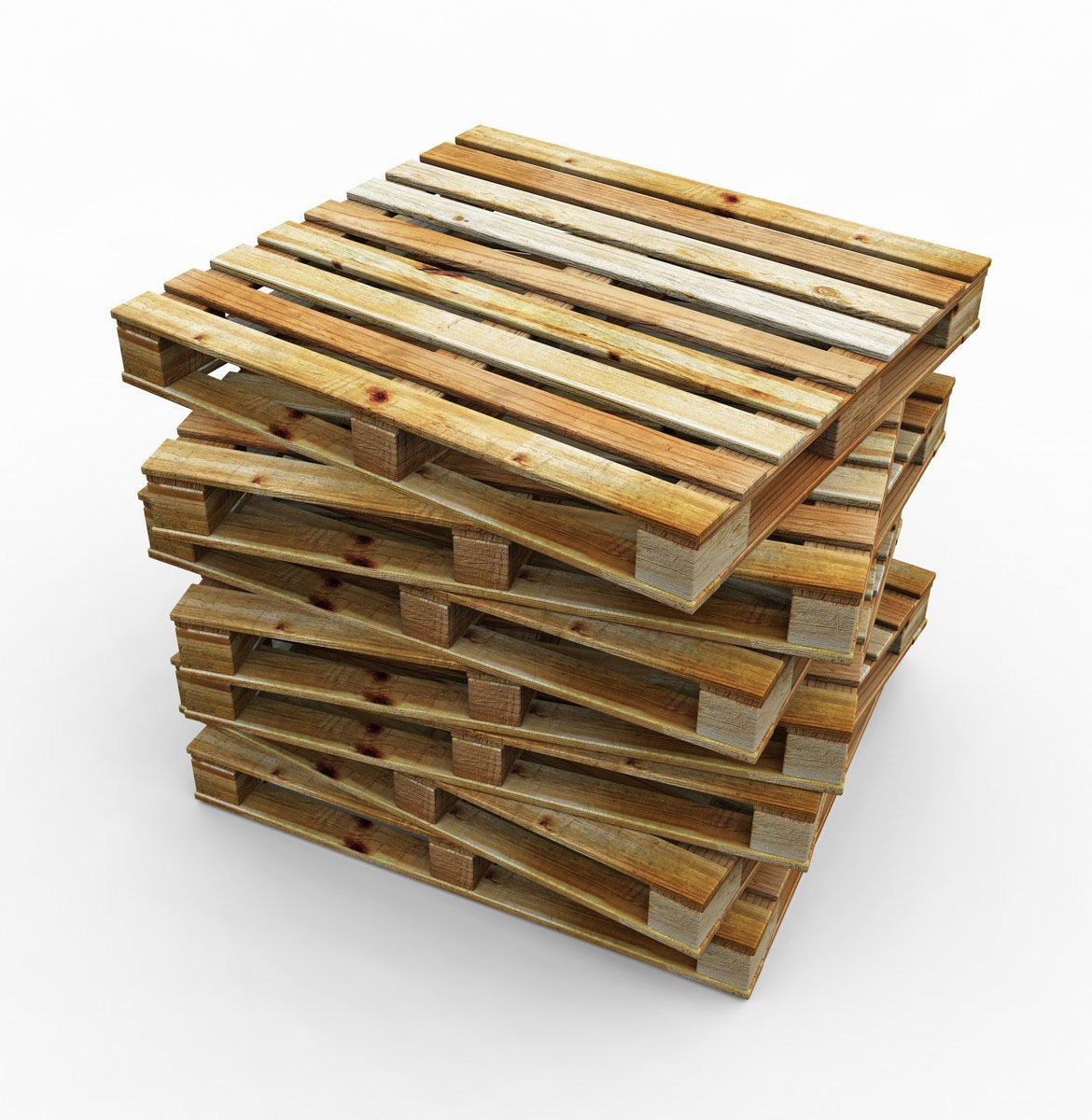
Smart platforms represent a transformative advancement in supply chain management, offering solutions to some of the most pressing logistics challenges. Through enhanced tracking, reduced product damage, and labor cost reductions, they streamline operations and deliver substantial cost savings. Their role in environmental impact reduction and supply chain efficiency ensures that businesses align with sustainability goals while maintaining competitiveness. The improvements in customer satisfaction afforded by these smart systems bolster market presence and foster customer loyalty. As the logistics landscape continues to evolve, standard materials like traditional wood
pallets remain a foundational element that businesses rely on daily to keep goods moving smoothly. Partnering with a dedicated logistics provider helps modern companies harness the right material handling tools for maximum efficiency, reliability, and responsibility, positioning them for future success with the dependable support of Spartan Supply Pallet Company.